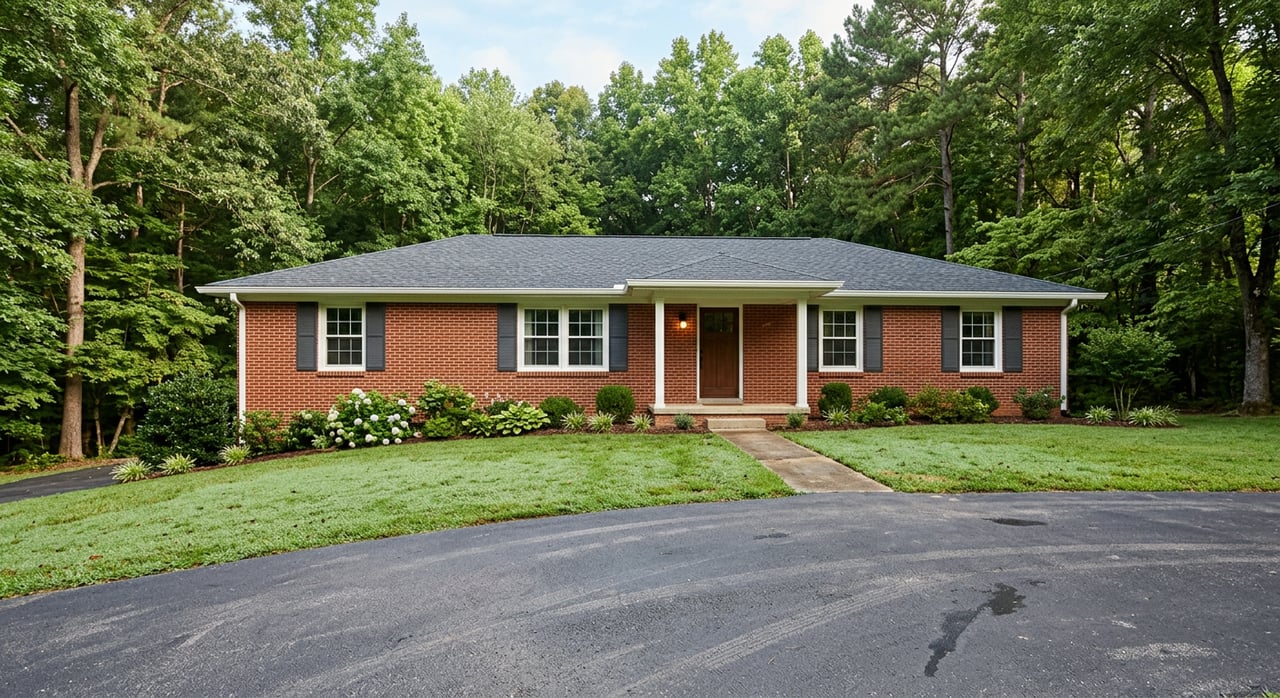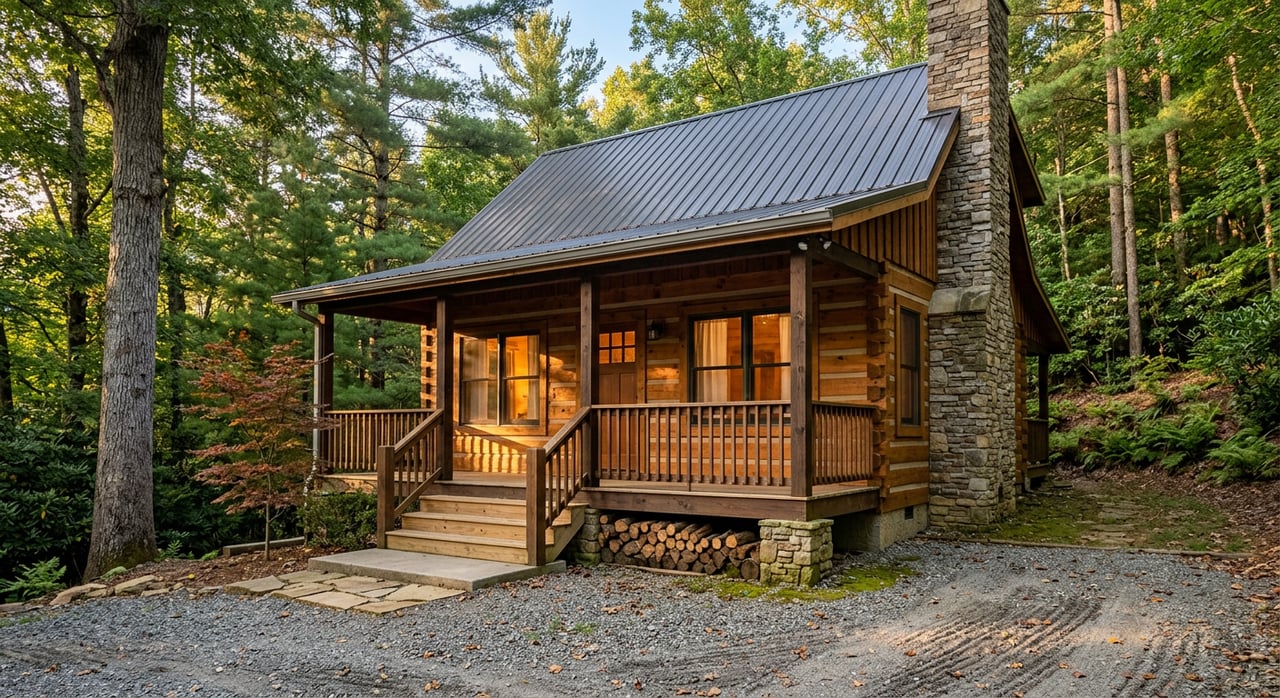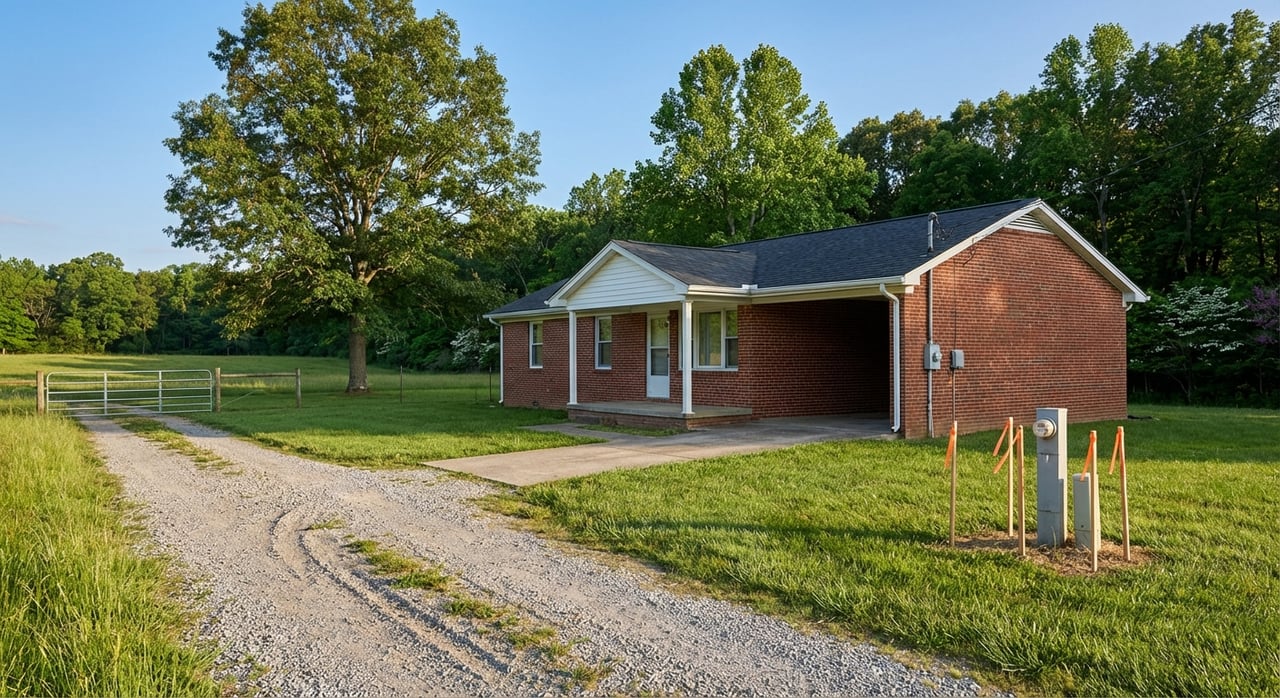
Ever dream of a little more elbow room, room for a barn, or a future homesite tucked against East Tennessee’s rolling hills? Buying acreage around Knoxville can be rewarding, but land has different rules than a typical house purchase. With the right plan, you can confirm what is feasible, what it will cost, and how to protect your contract while you investigate. In this guide, you’ll learn the key checks for zoning, access, utilities, soils and septic, floodplains, taxes, and financing so you can buy with confidence. Let’s dive in.
Start with zoning and jurisdiction
Before you picture fence lines or a future guest cottage, confirm which jurisdiction governs the parcel and what the zoning allows. In Knox County, a property can sit in the City of Knoxville, inside a small town such as Farragut, or the unincorporated county, and each has its own rules. Confirm the current zoning district, any overlays, and the use matrix for animals, outbuildings, and accessory uses. Use the planning office’s published regulations and maps to verify setbacks, minimum lot size, and subdivision rules that may limit how you can divide land later.
- Check district, overlays, and permitted uses with Knoxville-Knox County Planning. Review subdivision and platting steps before you assume you can split acreage. You can find regulations and guidance on the planning site under zoning regulations and guidelines. Refer to the planning office’s zoning resources to verify requirements and review active cases that may affect nearby land. Visit the planning site’s zoning guidelines at Knoxville-Knox County Planning.
Confirm legal access and driveway permits
Legal access sounds simple, yet it is one of the most important issues for land. Confirm whether the parcel fronts a public county road, a state route, or a private road. If you need a new driveway connection, a county access permit or a Tennessee Department of Transportation (TDOT) permit may be required, especially along state routes. If access is by easement across a neighbor’s land, confirm the easement is recorded and adequate for your intended use.
- Ask for the recorded plat and deed language that describes access rights.
- Request any prior driveway or access permits from the seller or listing agent.
- Clarify who maintains any private road or shared driveway.
- For process and standards, the planning office’s access and subdivision guidance is a helpful reference: Knoxville-Knox County Planning.
Map utilities early
Utility availability can make or break your timeline and budget. In Knox County, service areas vary by provider, and parcels may fall under different utility districts. Use the KGIS parcel viewer to identify the provider that covers the property, then request written estimates for taps and any required line extensions. Treat these as contract contingencies so you can exit or renegotiate if costs are higher than expected.
- Water and sewer: Confirm the service district and whether lines are at the road or require an extension. If there is no public sewer, you will likely need an on-site septic system.
- Electric and gas: Identify the utility that serves the area and the cost to bring power to your build site.
- Broadband: Ask the local providers for availability and any build-out costs along your frontage.
- Start with the KGIS GIS resource to see parcel and service layers: KGIS Geographic Information System.
Septic feasibility, soils, and private wells
If public sewer is not available, your home site will depend on suitable soils and a permitted septic design. Begin with a soils screen using the USDA’s Web Soil Survey, then hire a licensed professional to conduct a site evaluation and percolation test. Tennessee’s onsite sewage rules require permits and set design and upkeep standards, including special maintenance for some advanced treatment systems. If soils are marginal, you may face higher engineering costs, longer timelines, or reduced bedroom capacity.
- Screen soils using the USDA NRCS Web Soil Survey to identify likely limitations.
- Work with a licensed septic designer and follow permitting rules outlined by TDEC. Some advanced systems require deed-recorded maintenance and service contracts. Review onsite sewage standards at TDEC onsite sewage rules.
- For wells, ask a licensed well driller about depth expectations, yield, and installation cost. If a well exists, request well logs and water quality tests.
Check floodplains, streams, and wetlands
Not all acreage is buildable. Streams, floodplains, and wetlands can limit where you place a home, barn, or driveway and may trigger extra permits or insurance. Always check FEMA flood maps and local studies before choosing a homesite. In Knoxville, city GIS layers integrate federal and local data, and the city regulates work in mapped flood hazard areas.
- If the parcel touches a stream or low area, verify setbacks and buffers.
- Consider an elevation certificate when portions of a parcel are in a mapped zone.
- Review local guidance and map resources at City of Knoxville floodplain information.
Factor in topography and hillside protections
East Tennessee’s ridge-and-valley terrain is beautiful, but slope drives cost. Steeper sites can require grading, erosion controls, long driveways, and more complex foundations. Certain areas may be covered by hillside protection overlays that add standards for disturbance and design. Confirm any overlay that applies to your parcel and budget extra for site work where slopes are significant.
- Verify overlays and development standards with the planning office at Knoxville-Knox County Planning.
Review title, easements, and mineral or timber rights
Always order a current title commitment and read it carefully. Recorded easements, utility corridors, or covenants can shape how you use the land. In Tennessee, subsurface mineral rights may be severed from the surface estate, so a surface owner does not automatically own the minerals unless the deed conveys them. If the chain of title is complex, consult a title attorney before you waive contingencies.
- Review Tennessee’s treatment of water, mining, and related rights for context on how a severed mineral estate can affect land use. See a reference to state code at Tennessee code reference on water and mines.
Understand taxes and the Greenbelt program
Property taxes vary by location and overlapping jurisdictions. For larger tracts, Tennessee’s Greenbelt program can offer present-use valuation for agricultural, forest, or open-space land. If you change the use, you may owe rollback taxes. Before you write an offer, ask the county assessor how the parcel is currently classified, whether that status can continue after transfer, and what rollback exposure exists if you convert part of the land to non-qualifying use.
- Review the statute covering valuation and rollback rules at Tennessee Code § 67-5-1008.
Plan financing for land and small farms
Financing acreage is not the same as financing a finished home. Many conventional mortgages expect a habitable structure and municipal utilities. If you are purchasing vacant or raw land, expect different down payments, terms, and underwriting. For working farms, you may find fit with Farm Credit or USDA Farm Service Agency programs. The key is to secure a pre-approval that matches the parcel type before you shop.
- Learn how vacant and raw land loans differ from home loans at Bankrate’s guide to buying land.
- If you plan agricultural production, explore USDA FSA ownership and down-payment programs and review current rates at USDA FSA loan programs and rates.
A smart buyer’s due-diligence checklist
Treat these items as contract contingencies and task lists so you can cancel or renegotiate if findings change feasibility or cost.
Confirm jurisdiction and zoning. Pull the parcel’s zoning, overlays, permitted uses, and any pending planning cases with Knoxville-Knox County Planning.
Order a survey. Obtain a current boundary or ALTA survey that shows easements, rights-of-way, existing driveways, and visible utilities.
Verify septic viability. Ask for any existing septic records and commission a professional site evaluation and perc test. If soils are marginal, budget for engineered or advanced systems. Review onsite rules at TDEC onsite sewage rules.
Review well feasibility. For an existing well, request logs and water quality tests. For a new well, consult a licensed well driller on likely depth and cost. Start soils screening at the USDA NRCS Web Soil Survey.
Confirm utilities and costs. Use KGIS to identify service districts and request written tap and line-extension quotes from each provider.
Check floodplains and streams. Review FEMA and local flood layers. If needed, order an elevation certificate. Learn more at the City of Knoxville floodplain page.
Review title and rights. Obtain a title commitment and examine easements, covenants, and any mineral or timber reservations. See a code reference at Tennessee Title 69 overview.
Confirm tax status. Ask the assessor how the parcel is classified, whether it is under Greenbelt, and estimate potential rollback taxes. See Tennessee Code § 67-5-1008.
Pre-clear financing. Identify lenders that fund your parcel type. Consider Farm Credit or FSA options if you plan to farm. See land-loan basics at Bankrate’s land guide and FSA rates at USDA FSA loan programs.
Ask about subdivision rules. If you plan to divide later, confirm standards for frontage, road improvements, and drainage with Knoxville-Knox County Planning.
Timeline tip: Surveys, utility quotes, soils testing, and permit research can add several weeks to your contingency period. Advanced septic design and well drilling may extend timelines further depending on season and contractor availability. Build in extra time and keep the right contingencies in your offer so you stay protected.
Local tools to start your search
- Zoning, overlays, and subdivision guidance: Knoxville-Knox County Planning
- Parcel, utility, and flood layers: KGIS parcel and GIS viewer
- Soils screening: USDA NRCS Web Soil Survey
- Septic permitting standards: TDEC onsite sewage rules
- Floodplain guidance: City of Knoxville floodplain information
- Farm-focused financing: USDA FSA loan programs and rates
Buying acreage is about clarity and sequence. When you confirm zoning, access, utilities, soils, floodplains, title items, tax status, and financing early, you reduce surprises and set yourself up for a smoother closing. If you want a local, experienced guide for land and small farms around Knoxville, connect with Katina Ramsey to plan your search and due diligence.
FAQs
What zoning rules apply to acreage in Knox County?
- Zoning depends on whether the parcel sits in the City of Knoxville, a small town like Farragut, or unincorporated county. Confirm district, overlays, and permitted uses with Knoxville-Knox County Planning.
How do I check flood risk on land near Knoxville?
- Review both FEMA and local floodplain layers at the parcel level. The city provides integrated maps and guidance at the City of Knoxville floodplain page.
Do I need a perc test before buying rural land?
- If public sewer is unavailable, you should confirm septic feasibility. Start with the USDA NRCS Web Soil Survey and follow permitting standards at TDEC onsite sewage rules.
What is Tennessee’s Greenbelt program and how do rollback taxes work?
- The Greenbelt program offers present-use valuation for qualifying agricultural, forest, or open-space land. Converting to non-qualifying use can trigger rollback taxes. See Tennessee Code § 67-5-1008.
Who maintains a private road or shared driveway on acreage?
- Maintenance usually follows recorded easements or road agreements. Verify access language, maintenance duties, and any required permits with references from Knoxville-Knox County Planning.
Can I finance vacant land near Knoxville the same way as a house?
- Often no. Vacant or raw land loans have different terms and higher down payments than home mortgages. See basics at Bankrate’s land guide and explore farm-focused options via USDA FSA.