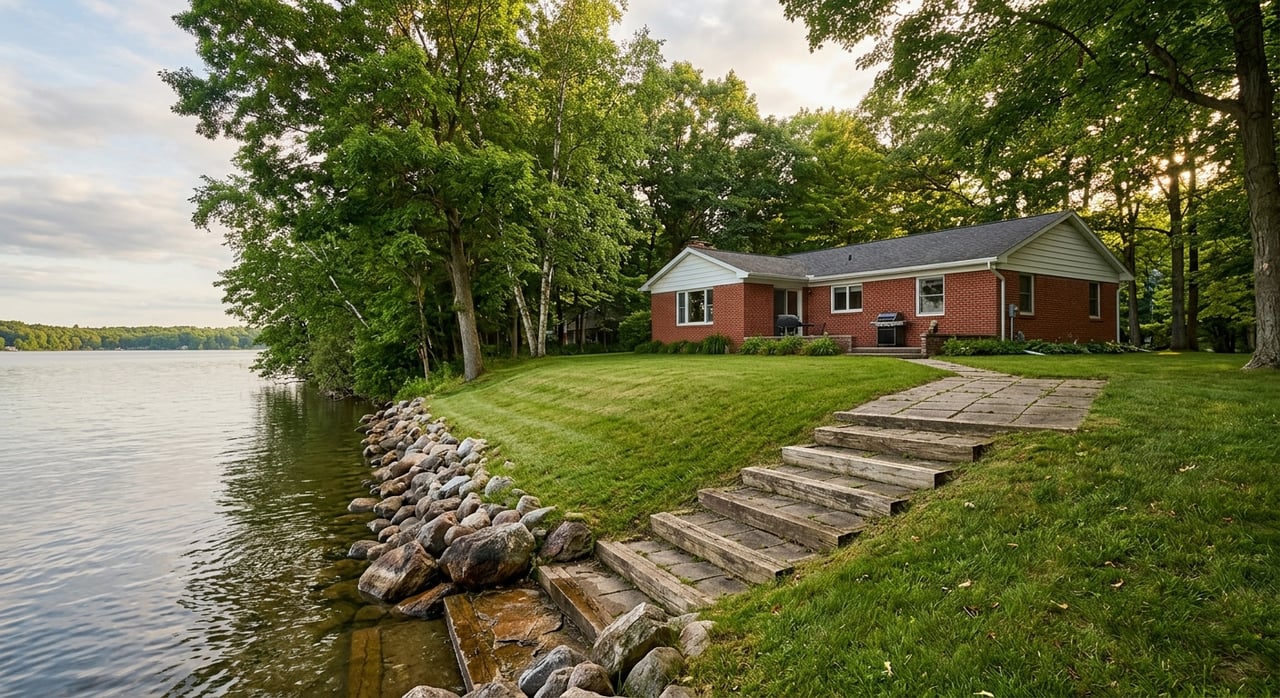
Dreaming about waking up to water views in Kingston? A lakefront home on Watts Bar can deliver that everyday getaway feeling, but it also comes with details you do not want to overlook. If you are thinking about buying along the water, this guide will help you understand what matters most before you make an offer, from dock permits to shoreline conditions to seasonal lake levels. Let’s dive in.
Why Kingston Appeals to Lakefront Buyers
Kingston offers a smaller-city setting with strong access to the water. The city lists a population of 5,953, and its waterfront is closely tied to recreation like boating, fishing, hiking, and lake-oriented parks.
That access matters whether you want a full-time residence, a second home, or a property with easy boating days built into your routine. Kingston City Park sits on Watts Bar Lake with boat ramps and docks, and Ladd Park adds blueway access on the Clinch River.
Roane County also has a strong public access network. County tourism highlights ten waterfront parks along with multiple marinas and boat launches, which means you can enjoy the water in more than one way, whether you buy direct lakefront or choose a home nearby.
Know Watts Bar Lake Basics
Watts Bar Reservoir is large, and that size shapes your buying decision. TVA describes it as a 72.4-mile reservoir with more than 39,090 acres of water surface and 722 miles of shoreline.
It also extends into slack-water channels more than 20 miles up the Clinch River and 12 miles up the Emory River. In practical terms, that means one lakefront lot can feel very different from another depending on where it sits.
Some properties may offer broad open-water views and easy boating access. Others may sit on quieter stretches where shoreline shape, water depth, and the route to open water affect how you will actually use the property.
What Makes a Lakefront Home Different
A lakefront purchase is not just about the house. You are also buying into a specific shoreline setup, access pattern, and maintenance responsibility that can directly affect day-to-day enjoyment.
The big value drivers usually include:
- Direct water access
- Dock potential
- Shoreline condition
- Lot slope
- How usable the water is from the lot itself
In the Kingston area, these questions matter even more because Watts Bar is a TVA reservoir. That means the relationship between the lot, the shoreline, and any dock or shoreline improvements needs careful review before closing.
Check Who Actually Controls the Shoreline
One of the most important steps is confirming what you are truly buying at the water’s edge. TVA says it owns land or land rights along most reservoir shoreline, so private ownership does not always extend all the way to the waterline.
That can surprise buyers who assume a lakefront lot includes simple private control from the backyard to the lake. On TVA-managed shoreline, use of the water edge may involve TVA land rights, permit rules, or access corridors that affect what you can build, change, or clear.
Before you close, ask for documentation that shows where the private parcel ends and what rights apply beyond that point. This is one of the clearest ways to avoid misunderstandings about docks, paths, stairs, vegetation, and shoreline use.
Review the TVA Permit File Early
If the home has a dock, shoreline improvements, or cleared access to the water, do not wait until the last minute to review the paperwork. TVA recommends that buyers request the Section 26a permit file before closing.
This file can help you confirm whether the existing setup was approved and whether the improvements appear to match the permit history. That matters because even older-looking structures are not automatically legal or grandfathered.
TVA notes that older facilities may be grandfathered only if they were previously permitted and remain in compliance. A dock that has been there for years may still need close review if records are incomplete or if changes were made without approval.
Understand Dock Rules Before You Buy
For many buyers, the dock is the centerpiece of lakefront living. But on Watts Bar, a dock is not just a feature. It is also a regulated improvement.
TVA says all shoreline construction or alterations require approval, including minor dock changes. In many newer developments, residential docks, piers, boathouses, and other water-use facilities are generally limited to 1,000 square feet or less, with TVA property use usually limited to an access corridor unless a waiver is granted.
TVA also states that a covered or enclosed second-story dock is not allowed. If your plans include changing the dock, expanding the footprint, or adding features, you will want to know those limits before you move forward.
Remember That Permits Do Not Automatically Transfer
This is an easy detail to miss. TVA says permits do not automatically transfer to a new owner.
After closing, the new owner must apply within 60 days. If you are buying a home with an existing dock or shoreline structure, that transfer step should be part of your post-closing plan from day one.
This is also a smart reason to ask a direct question during due diligence: does the existing dock match the current permit record? That one question can reveal whether you are stepping into a smooth transition or inheriting a problem.
Look Closely at the Shoreline Itself
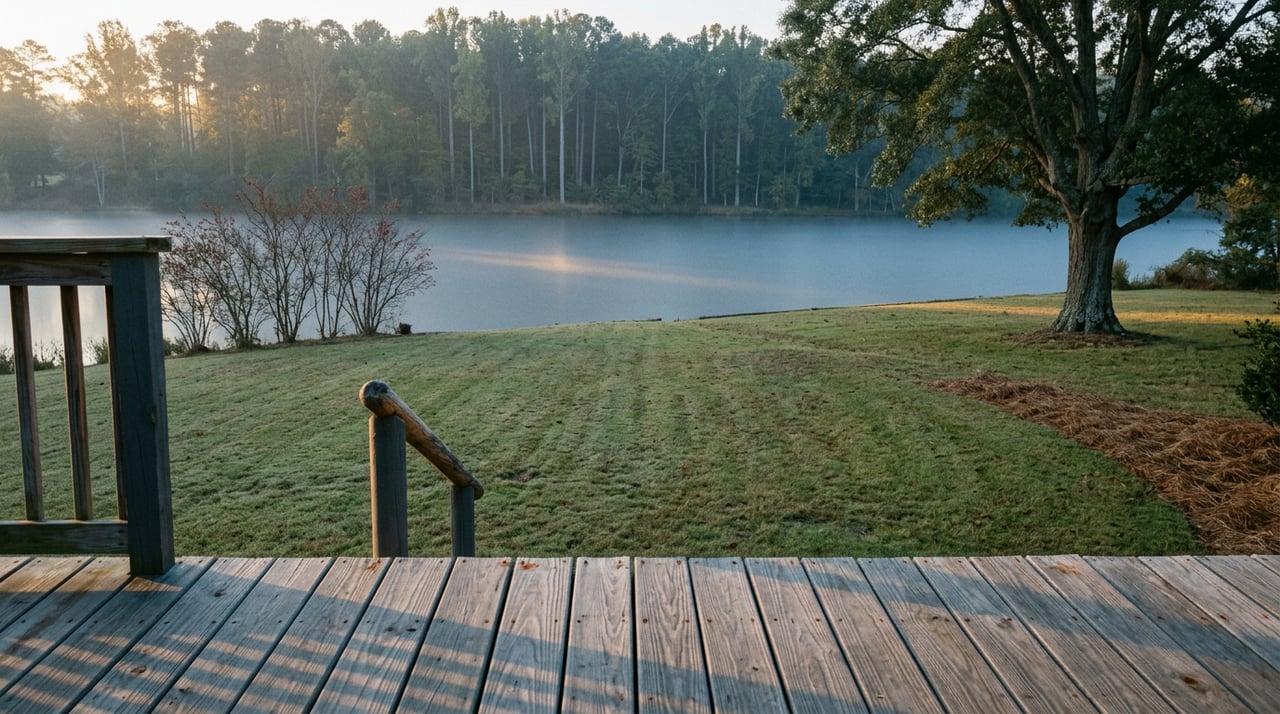
A pretty water view does not always mean an easy shoreline. The lot’s slope, bank condition, and path to the water can make a big difference in how useful the property feels once you move in.
When you tour a home, pay attention to practical details like:
- How many steps it takes to reach the water
- Whether the slope feels manageable for daily use
- Whether the shoreline looks stable or worn
- How much of the water access is already improved
- Whether trees or vegetation near the bank appear altered
Vegetation matters because TVA says disturbance on TVA land requires prior approval through the Section 26a process. If a shoreline has been heavily cleared, it is worth confirming that the work was properly approved.
Plan Ahead for Shoreline Work
If a property needs bank repair, shoreline stabilization, dredging, or similar work, you may need more than one approval. Tennessee’s Division of Water Resources may require an ARAP or related water-quality approval in addition to TVA review.
That is why shoreline projects should never be treated like casual weekend upgrades. TVA notes that permit delays can happen when projects affect sensitive resources or when state permits are still pending.
If you already know a property will need work, bring that into your buying decision early. It may affect your timeline, budget, and overall comfort with the purchase.
Factor in Septic and Floodplain Issues
Some lakefront homes come with infrastructure details that deserve extra attention. If the property uses septic or may need septic repair or replacement, Tennessee requires a septic system construction permit for new installation or repair.
Floodplain review also matters. Roane County regulates flood-hazard areas, including floodways and floodway fringe areas, with rules focused on flood, erosion, and emergency-access risk.
This does not mean every lakefront property is a problem. It does mean you should understand any site constraints before you commit, especially if you are considering future improvements or repairs.
Ask How Lake Levels Affect Daily Life
Water levels on Watts Bar change seasonally, and that can shape your experience more than many first-time lake buyers expect. TVA manages the reservoir with summer recreation and winter flood storage in mind.
According to TVA, the Watts Bar drawdown begins on November 1, the minimum winter elevation is 735 feet, and the typical summer operating range is 740 to 741 feet. That seasonal swing of roughly 5 to 6 feet can affect dock depth, shoreline exposure, and whether a boat can easily reach open water late in the season.
This is why a summer showing only tells part of the story. If possible, try to understand what the shoreline looks like when the lake is lower and how that change affects your specific lot.
Compare Main Lake and River-Arm Locations
Not every waterfront setting on Watts Bar offers the same experience. Because the reservoir extends into the Clinch and Emory Rivers, conditions can vary by location.
A main-lake setting may feel more open and recreation-focused. A property on a river arm may offer a different mix of views, shoreline shape, and boating conditions.
Neither is automatically better. The right fit depends on how you plan to live there, how often you boat, and whether easy access or a quieter setting matters more to you.
Consider Near-Lake Homes Too
Direct frontage can be appealing, but it is not the only way to enjoy Kingston’s water-oriented lifestyle. In some cases, a near-lake home may give you better value with fewer shoreline maintenance and permit responsibilities.
Because Kingston and Roane County already offer public ramps, docks, parks, campgrounds, and marinas, many buyers can still enjoy boating and waterfront recreation without owning the shoreline itself. That can be especially attractive if you want the lifestyle but prefer a simpler ownership experience.
This is where your priorities matter most. If direct water access is your top goal, lakefront may be worth the extra review and upkeep. If you mainly want proximity to the lake, a nearby home could be the smarter move.
Smart Questions to Ask Before You Buy
When you are serious about a Kingston lakefront home, a few focused questions can help you make a more confident decision:
- Does private ownership extend to the waterline?
- Is there a current Section 26a permit file for the dock or shoreline improvements?
- Does the existing dock match the permit record?
- Is the dock compliant, grandfathered, or simply older?
- Has any shoreline clearing or vegetation work been approved?
- Does the property have septic, and has any recent repair or replacement been needed?
- Is the home in a regulated flood-hazard area?
- What does the shoreline look like during winter drawdown?
- Is this lot on the main lake, the Clinch River arm, or the Emory River arm?
- Would a near-lake home meet your needs just as well?
Why Local Guidance Matters
Buying lakefront in Kingston is part real estate decision and part property-use investigation. The home may be beautiful, but the true value often comes down to permit history, shoreline condition, and how well the property fits the way you want to live.
That is where experienced local guidance can make the process smoother. When you have someone helping you look beyond the view and into the practical details, you are far more likely to buy with clarity and confidence.
If you are exploring lakefront homes in Kingston or weighing lakefront versus near-lake options, Katina Ramsey can help you navigate the details with the local knowledge, responsiveness, and care that matter in a unique East Tennessee market.
FAQs
What should you verify before buying a lakefront home in Kingston?
- You should verify shoreline ownership, review any TVA Section 26a permit file, confirm whether the dock matches the permit record, and check for septic, shoreline-work, and flood-hazard considerations.
How do TVA rules affect Kingston lakefront property buyers?
- TVA says it owns land or land rights along most reservoir shoreline, and shoreline construction or alterations require approval, so buyers need to understand what is privately owned and what is regulated.
Do dock permits transfer automatically after buying a lakefront home on Watts Bar?
- No. TVA says permits do not automatically transfer, and the new owner must apply within 60 days after closing.
How much do lake levels change on Watts Bar Lake?
- TVA says Watts Bar typically operates around 740 to 741 feet in summer and reaches a minimum winter elevation of 735 feet, creating a seasonal swing of roughly 5 to 6 feet.
Is a near-lake home in Kingston a good alternative to direct lakefront?
- Yes. For some buyers, a near-lake home offers easier ownership and good access to Kingston and Roane County’s public parks, marinas, docks, and boat launches without the same shoreline permit and maintenance burden.