Choosing where to live around Knoxville is not just about picking a price range or a zip code. It is really about deciding how you want your days to feel, from walking to dinner downtown to hopping in the car for errands in West Knoxville to enjoying more land and water access farther out. If you are trying to figure out which lifestyle fits you best, this guide will help you compare Knoxville’s urban, suburban, and country-style options with more confidence. Let’s dive in.
Knoxville Offers a Lifestyle Spectrum
Knoxville is best understood as a range of living styles rather than one single housing market. Downtown offers a compact, walkable setting, South Knoxville blends city access with outdoor recreation, West Knoxville and Farragut reflect classic suburban patterns, and communities like Oak Ridge, Lenoir City, and Kingston offer more space and a stronger lake or small-town feel.
That variety is one reason so many buyers and sellers find the area appealing. Knoxville’s network of more than 125 miles of paved greenways and natural trails also helps connect neighborhoods, parks, and outdoor spaces across the region, giving many parts of the area a strong recreation component.
Urban Knoxville Living
Where urban living stands out
If you want to be close to restaurants, events, parks, and entertainment, urban Knoxville is where that lifestyle is most visible. Downtown Knoxville, the Old City, and the close-in historic neighborhoods just north and south of downtown are the clearest examples.
Downtown Knoxville is less than one square mile, which makes it easier to get around on foot, by bike, scooter, or trolley. Market Square, Gay Street, Old City, Volunteer Landing, and World’s Fair Park are some of the best-known anchors of daily life in this part of the city.
South Knoxville adds a different kind of urban appeal. Located south of the Tennessee River and connected to downtown by three vehicle bridges, it offers quick access to the city core while also leaning into a more outdoor-focused identity.
What homes feel like intown
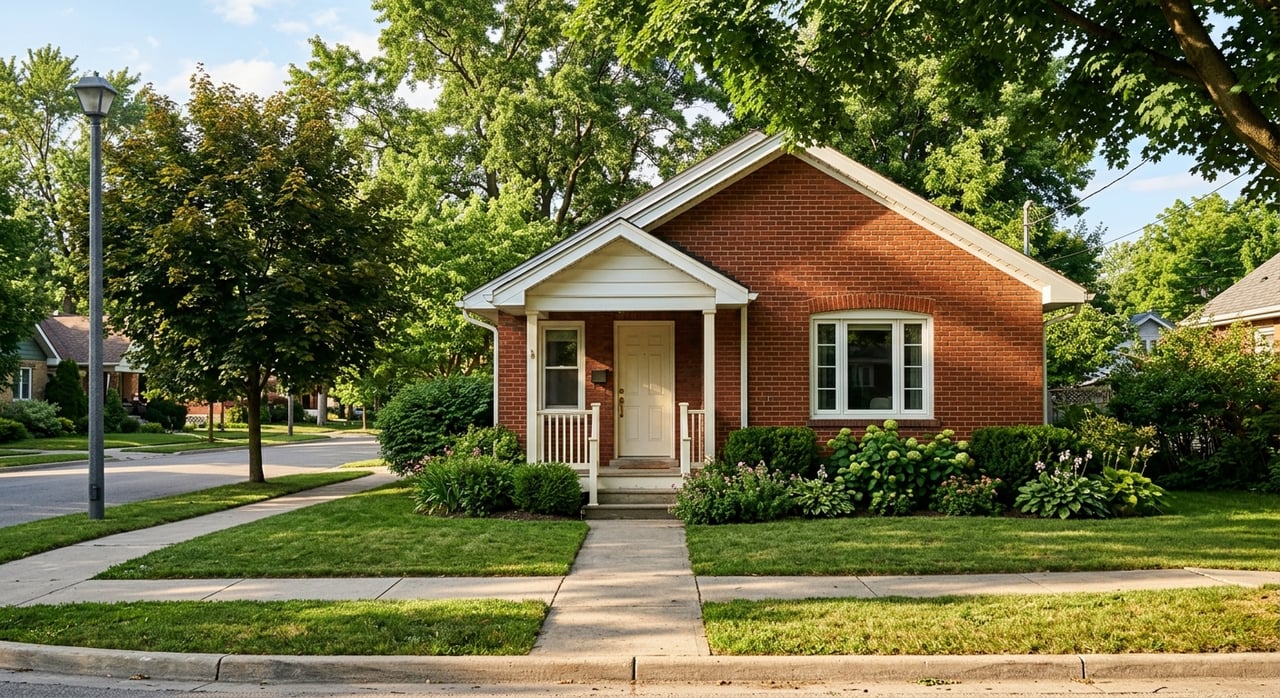
Urban Knoxville tends to attract buyers who care about character, proximity, and architecture. In neighborhoods like Fourth & Gill and Old North Knoxville, historic homes are a major part of the appeal, with styles that include Victorian, Craftsman, Bungalow, Queen Anne, Eastlake, and Folk architecture.
You may also find some newer infill homes and townhomes in these areas. Still, the overall feel is often more about established character and location than large lots or subdivision layouts.
It is also important to understand that some historic neighborhoods include design guidelines or historic-zoning review. In Fourth & Gill and Old North Knoxville, that can matter if you are buying an older home, planning updates, or selling to buyers who are thinking carefully about future changes.
What daily life looks like
Urban Knoxville fits buyers who want to rely less on a long daily drive. Downtown offers restaurants, retail, events, and public gathering spaces, while the Old City is known for its concentration of coffee shops, galleries, restaurants, breweries, distilleries, and music venues in restored historic buildings.
South Knoxville brings a strong outdoor layer to central-city living. The Urban Wilderness connects 1,000 acres and more than 60 miles of trails, which gives this area an unusual mix of city convenience and outdoor access.
What to expect on price and commute
The practical commute advantage is strongest in urban Knoxville. Downtown is walkable, and South Knoxville offers quick access to the core while also giving you riverfront and trail amenities.
For market context, Knoxville’s citywide median sale price was $305K in March 2026. That does not mean every intown home falls near that number, since urban value often depends heavily on location, condition, and neighborhood character.
Close-In Suburban Knoxville
Where suburban living takes shape
If your ideal setup includes a detached home, drive-up convenience, and easy access to shopping and daily services, close-in suburban Knoxville may be the best fit. West Knoxville is the clearest suburban anchor, with corridors like Northshore, Cedar Bluff, Lovell, and Kingston Pike shaping much of the area.
Farragut offers a distinct small-town atmosphere within the metro, along with proximity to I-40 and I-75, retail and dining options, more than 15 miles of greenway trails, and five parks. Bearden and Sequoyah Hills also play important roles in the close-in suburban picture.
Bearden sits about five miles west of downtown, while Sequoyah Hills lies between downtown and West Knoxville. Sequoyah Hills was developed in the 1920s as one of Knoxville’s first suburbs, which gives it a more established and architecturally layered feel than some newer suburban areas.
What homes feel like in the suburbs
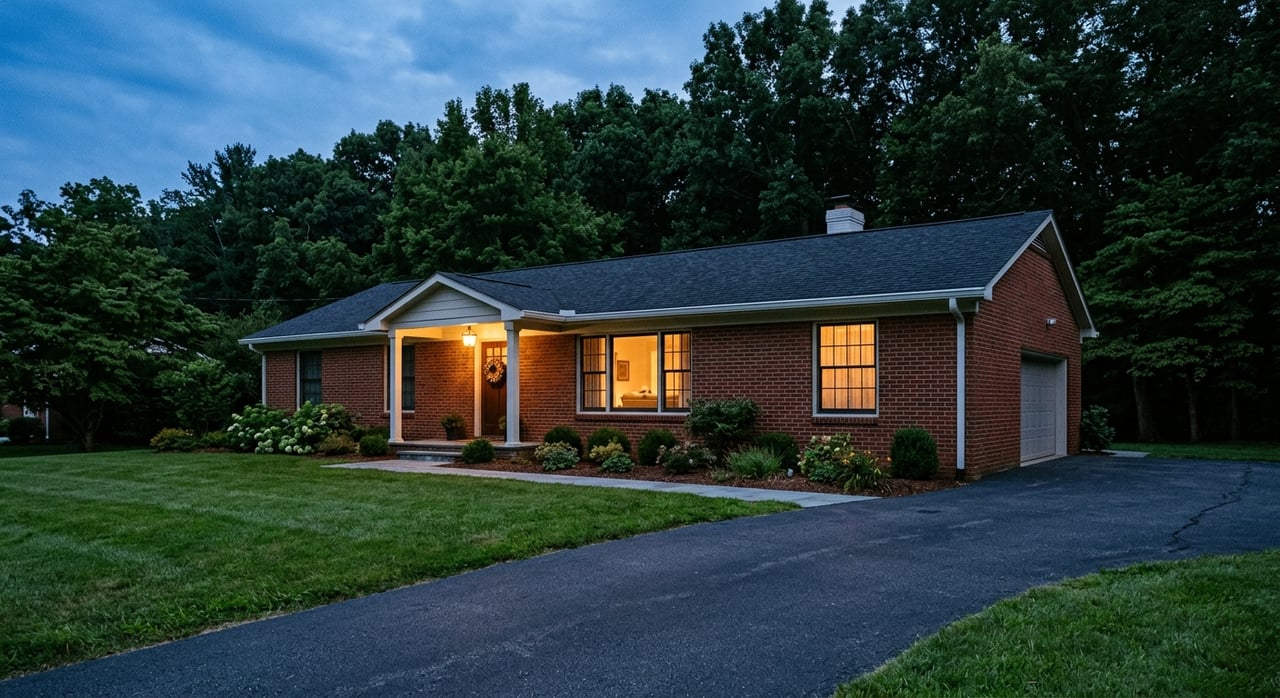
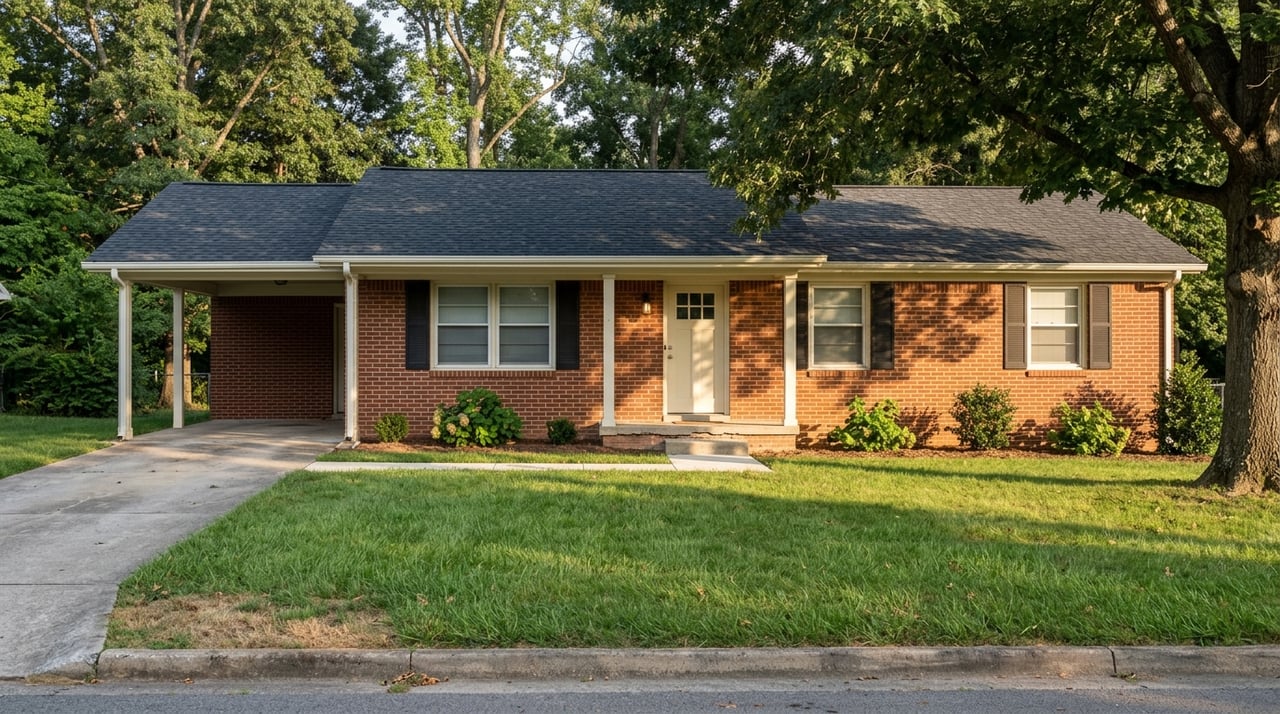
The close-in suburban belt is where many buyers find the classic neighborhood pattern they picture when they think of suburban living. That often means detached homes, larger lots than the urban core, and neighborhoods shaped more by roads and subdivisions than dense, walkable blocks.
Some areas may also include townhome or condo pockets, especially near older commercial corridors. Even so, the overall character usually leans toward car-oriented convenience and single-family living.
Why many buyers choose this lifestyle
For many people, the biggest draw of suburban Knoxville is convenience. West Knoxville stands out for its concentration of shopping and dining, including areas around West Town Mall, Turkey Creek, and Kingston Pike.
Daily routines also tend to feel straightforward here. You are often balancing a car-based lifestyle with shorter and more predictable access to downtown than you would have from many outer-ring communities.
Bearden is one of the easier transitions for buyers who want suburban living without feeling too far from the city core. Farragut’s appeal is different, with more emphasis on interstate access, parks, retail, dining, and services grouped closely together.
What to expect on price
One of the biggest surprises for buyers is that suburban does not always mean mid-priced. In March 2026, the Knox County median sale price was $391K, West Knoxville was $370K, Farragut was $733K, and Sequoyah Hills was $723K.
That wide spread shows how much pricing can shift based on lot size, location, convenience, and neighborhood profile. If you are comparing suburban options, it helps to look at each area individually rather than treating all suburban neighborhoods as one category.
Country-Style and Edge-of-Metro Living
Where you find more space
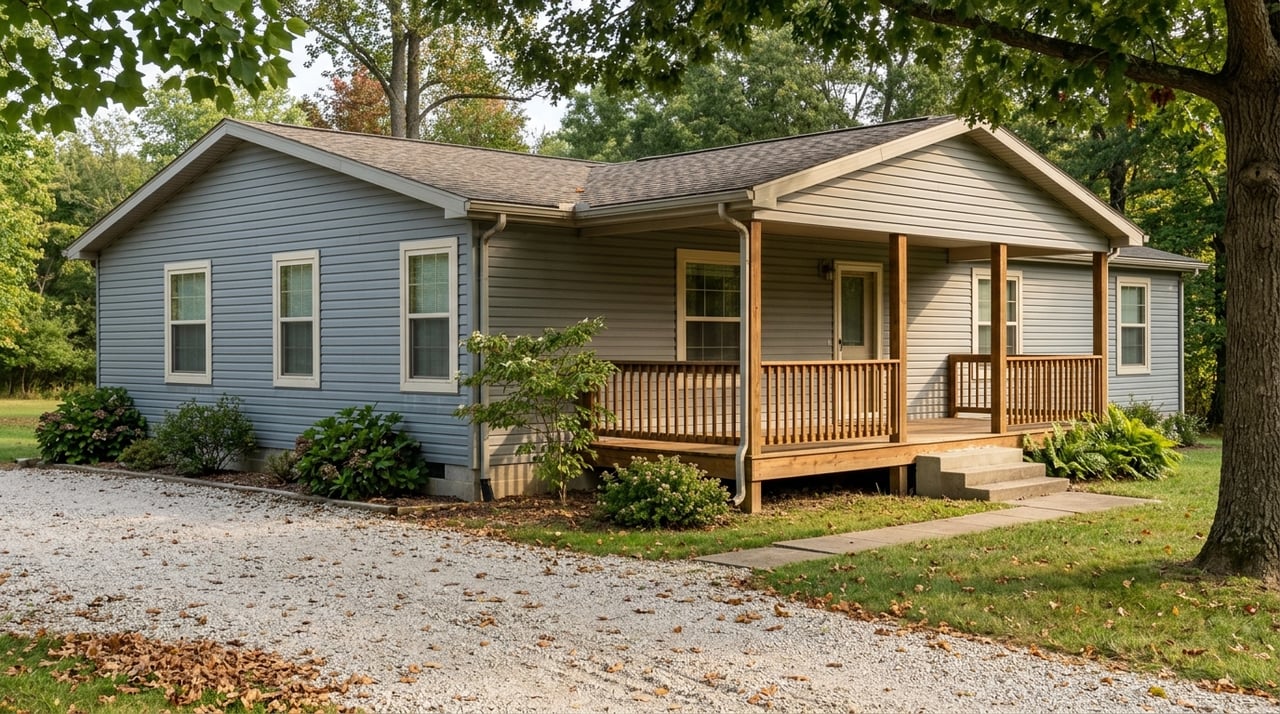
If you want more breathing room, the country-style side of the Knoxville market is often found around the edges of the metro. Oak Ridge, Lenoir City, and Kingston are strong examples, especially for buyers interested in a quieter setting, lake access, or a more recreation-focused daily rhythm.
Oak Ridge sits about 22 miles northwest of Knoxville and combines a large land area with parks, greenways, and lake frontage. Lenoir City is known as the Lake Capital of the South, while Kingston sits on Watts Bar Lake and has a strong waterfront identity.
What homes and land feel like
This style of living usually means more land and a different pace. Buyers are often looking for larger lots, acreage, lake-access homes, or a setting that prioritizes open space and recreation over walk-to-everything convenience.
That does not mean these communities lack services or amenities. It does mean the overall lifestyle tends to feel more spread out, more highway-dependent, and more centered on land or water than the urban core or the suburban shopping corridors.
What daily life looks like
Outdoor access is one of the biggest strengths of these communities. Oak Ridge offers 16 parks, 12 greenways, and shoreline along Melton Hill Lake, which makes it especially appealing for buyers who want recreation close to home.
Lenoir City offers city parks, a pool, ballfields, and lake-adjacent recreation. Kingston emphasizes shoreline access, walkways, picnic areas, boating, and fishing, giving it a clear recreational identity.
What to expect on price and commute
More space does not always mean a lower price. In March 2026, Oak Ridge’s median sale price was $400K, and Lenoir City’s was $481K, which shows that outer-ring living can match or exceed some Knoxville submarkets.
The tradeoff is often commute time. These areas are more highway-dependent, so they tend to work best for buyers who are comfortable living farther from the urban core in exchange for space, views, water access, or a quieter setting.
How to Choose the Right Knoxville Lifestyle
Choose urban if you want proximity
Urban Knoxville may be the best fit if you want to be close to restaurants, parks, entertainment, and historic architecture. It can be especially appealing if you value walkability, quick access to downtown, and homes with distinct character.
Choose suburban if you want convenience
Close-in suburban living may make the most sense if you want a detached home, easier parking, nearby shopping, and a car-friendly routine. Areas like West Knoxville, Bearden, Farragut, and Sequoyah Hills each offer their own version of that lifestyle.
Choose country-style if you want space
Edge-of-metro communities may be the right match if you want acreage, lake access, a quieter setting, or a recreation-first lifestyle. Oak Ridge, Lenoir City, and Kingston stand out for buyers who are willing to trade a shorter commute for more room and outdoor amenities.
Why Local Guidance Matters
Knoxville’s market is varied enough that two homes with similar prices can offer very different lifestyles. One may put you near downtown parks and historic streets, while another may give you a larger lot in a suburban corridor or a lake-oriented setting farther out.
That is why local guidance matters, especially if you are relocating, moving up, downsizing, or trying to narrow your search across several parts of East Tennessee. With more than 30 years of experience across Knoxville, Oak Ridge, Kingston, Lenoir City, and surrounding areas, Katina brings the kind of neighborhood-level perspective that helps you compare options clearly and move forward with confidence.
If you are weighing urban, suburban, or country-style living around Knoxville, the right move starts with understanding how each area fits your daily life, goals, and budget. When you are ready to talk through your options or request a complimentary home valuation, connect with Katina Ramsey.
FAQs
Which Knoxville areas are the most walkable?
- Downtown Knoxville, the Old City, and parts of South Knoxville are among the most walkable options, with easy access to restaurants, parks, events, and trail connections.
Which Knoxville suburbs offer strong everyday convenience?
- West Knoxville and Farragut stand out for shopping, dining, parks, greenways, and access to major roads like I-40 and I-75.
Which Knoxville-area communities are best for more land or lake access?
- Oak Ridge, Lenoir City, and Kingston are strong options if you want more space, outdoor recreation, or a stronger lake- and river-oriented lifestyle.
What should buyers know about Knoxville historic neighborhoods?
- In areas like Fourth & Gill and Old North Knoxville, historic character is a major draw, but design guidelines or historic-zoning review may affect renovations or exterior changes.
Are outer Knoxville communities always less expensive?
- No. March 2026 median sale prices show that some outer-ring communities, including Oak Ridge and Lenoir City, can rival or exceed certain Knoxville submarkets depending on location, land, and water access.